Mumbai, Bollywood port
Mumbai is the largest port of India and the commercial and industrial capital of this country (as opposed to Delhi as the political capital). Nearly 18 million people live in Mumbai, making it the most populous city in India and one of the five most populous cities in the world.
Of course, this city has similar ranks in terms of wealth; It means that it is the richest city in India and the wealth of 48 billionaires and 46 thousand millionaires has accumulated in it. The very lucrative Bollywood film industry is also active in Mumbai. به سیاق فیلم های هندی، هر کسی در این کشور که آرزو و برنامه های دور و دراز برای آینده اش دارد درنهایت از بمبئی سر درمی آورد و احتمال اینکه موفق بشود هم کم نیست. Bombay, which is also known as Mumbai today, is the capital of the state of Maharashtra and the main center of cargo traffic in this country; So that 60% of India’s sea trade is done through this port. Mumbai accounts for 33% of India’s total tax revenue and 60% of India’s total commercial customs revenue.
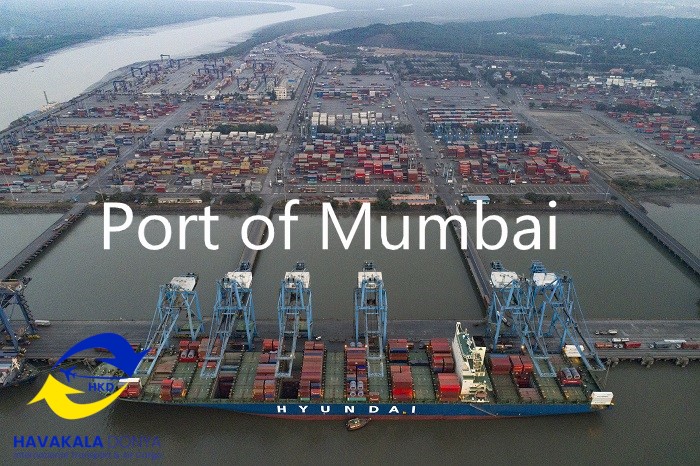
The most important financial and commercial institutions of India are located in Mumbai, and the Bombay Stock Exchange is one of the most important in the world. As the economy is Mumbai, there are many small and big job opportunities in this city and the migration to it is very high. The manufacturing sector in Mumbai is very active and 25% of India’s industrial production takes place in this city and port. The per capita income in Mumbai is almost three times that of other regions of India on average. The port of Mumbai is located on the west coast of India and the water depth in it reaches ten to twelve meters, so large cargo ships can easily dock there. Twenty percent of India’s foreign trade is done through the ports of Mumbai, and this port has four docks that handle a variety of imported and exported goods, including crude oil and gasoline, liquid chemicals, textiles, tobacco, leather, heavy machinery, and manganese. It moves.
A brief history of Mumbai
Bombay was originally a collection of seven islands that were located in the middle of a marshy area. In the 16th century, the Portuguese took it and named it Bom Bahia or Good Bay, which gradually became the word Bombay. This trading center gradually grew and the local people traded all kinds of goods including silk, rice, tobacco, rice, etc. The first time the British reached Bombay was in the 17th century, and they managed to capture parts of Bombay by attacking Portuguese ships and equipment. Some time later, Bombay came under the control of the British based on a treaty; Or rather, it fell into the hands of the East India Company. The reason was that the British royal family did not want to go through the trouble of running a swampy place like Bombay and preferred to give it to the East India Company in exchange for an annual rent (in gold coins).
Since Bombay was a deep water port, large ships could dock there. But the British believed that they should build a fort and coastal fortifications and a base for soldiers there to prevent a possible Portuguese attack from the sea as well as pirate attacks. Gradually, a wharf, a warehouse, and a customs center were built in the port of Bombay, and different parts of the island were connected to each other in modern ways, and the space between them was filled. It was from this time that Mumbai’s urban development was also noticed and minting centers, hospitals and churches were built there. People came from different parts of western India and even from England and other lands to live and trade in Bombay. In 1675, the population of this port reached 60 thousand people. Bombay was not considered very important at that time compared to Calcutta and Madras (modern day Chennai) but it gradually became a great asset for the East India Company as trade from the west coast of India was concentrated in Bombay. The political developments in different regions of India eventually made the British weaken many of their rivals, including the Dutch and the Portuguese, and the internal Mughal rulers in India, and they themselves engaged in extensive trade in the coastal regions of India, especially in Bombay. Mumbai became the gateway to India at this time.
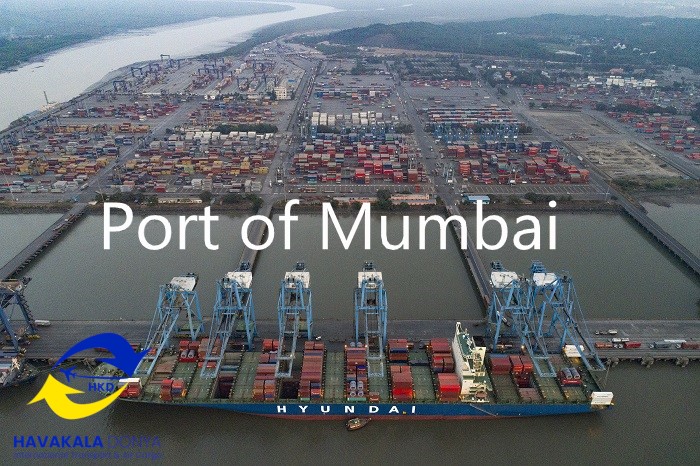
In the 19th century, Bombay was at the height of its commercial era and was the center for the import of various goods into India and their transit to the eastern parts of Asia. Also, the opening of the Suez Canal, which made international trade easier, also contributed to the prosperity of the port of Bombay. At the same time, the opening of railway lines in Bombay also marked a new phase in business in Bombay. But the increase in the population of Mumbai port and its over expansion was causing many problems. At the end of the 19th century, a plague broke out in Bombay and killed part of the population, but eventually caused some areas of the port to be rebuilt. When the American Civil War broke out, the importance of Bombay port increased again because the American cotton trade was stopped, but this trade continued through the port of Bombay to other parts of the world. In the following decades, ambitious plans were finally implemented to develop the coastal part of the city of Mumbai, which was one of the rarest examples of dual carriageway construction in the pre-World War II era. In the 1950s and 1960s, Mumbai was the scene of various political conflicts that intensified after India’s independence in 1947. These conflicts eventually made Bombay become a part of the state of Maharashtra and actually its capital, and in addition to being a commercial center, it also became more politically important. In the 21st century, Mumbai made a lot of progress in terms of infrastructure, and in addition to port equipment, it also found a more modern urban status; However, many parts of Mumbai are still overcrowded and polluted. However, the port of Mumbai continues to play an important role in the development of India’s national economy today. In this port, investments have been made in the modernization of the docks and their specialization.